Durango Mexico Food: Caldillo, Gorditas, Mezcal and Where to Eat Downtown
If you only eat five things in Durango, Mexico, make them caldillo duranguense (a dried-beef and chile stew), gorditas stuffed with guisados, asado rojo, local Mennonite cheese and mezcal made from wild agave cenizo. The good news for visitors: almost all of this Durango Mexico food is within walking distance of the historic center, between family-run fondas, morning gordita stands and the Mercado Gómez Palacio.
This guide comes from what our Durango team actually eats and recommends to guests: what to order, when locals eat it and how to fit it all into a short trip. If it's your first visit, pair it with our guide to things to do in Durango.
What makes Durango Mexico food different
Durango is ranch country, with mountains on one side and high desert on the other, and the food reflects that. The cooking is built on beef (much of it sun-dried to keep it from spoiling), dried chiles like chile colorado and ancho, corn, beans, cheese, and orchard fruit such as quince, peaches, apples and pecans.
Don't expect the complex moles of southern Mexico. Here it's about long-simmered stews, well-seasoned meat and fresh-off-the-griddle masa. Heat is usually moderate: the dried chiles bring color and depth more than fire, though the table salsa can change that fast.
Must-try dishes in Durango
Caldillo duranguense
This is the state's signature dish. It's made with dried beef (carne seca or machaca), potatoes, tomato, onion, garlic, roasted poblano and chile colorado, seasoned with cumin. Think of a thick, brick-red beef stew that's especially good on the cool evenings Durango gets in late fall and winter.
Local lore says it was one of Pancho Villa's favorite meals and was once saved for weddings and baptisms. Today you'll find it at fondas and regional restaurants, mostly at lunchtime, served with flour or corn tortillas. Add a squeeze of lime and taste before reaching for the salsa.
Gorditas de guisado
In Durango, gorditas are serious business. Corn masa patties are cooked on a comal, split open like a pocket and stuffed with whatever stew you choose. Locals order two or three with different fillings. Look for:
- Chile pasado with beef or cheese, a northern Mexico classic.
- Deshebrada (shredded beef) in red or green sauce.
- Picadillo, also red or green.
- Rajas con queso (poblano strips with cheese) or beans with cheese.
- Nopales con huevo (cactus with egg) and requesón (fresh curd cheese), great for breakfast.
- Chicharrón prensado (pressed pork cracklings).
Gorditas are mainly a breakfast and midday food, and many stands close when the pots run out. If you see office workers lining up at a comal, get in line. Gorditas from the nearby town of Canatlán have their own reputation, and there are also sweet gorditas de horno, flavored with piloncillo or anise, that go well with afternoon coffee.
Asado rojo
Pork stewed in an ancho chile sauce with warm spices. This is Durango's party dish, a staple at weddings and family celebrations, served with rice and beans. If a fonda has it on the daily menu, order it.
More dishes worth finding
- Gallina borracha: "drunken" chicken in a sauce with wine or liquor; every family makes it differently.
- Albóndigas duranguenses: beef or chicken meatballs in a tomato broth.
- Chacales: a homestyle soup of cracked dried corn and meat.
- Tamales: red chile pork, beans, and in some homes a baked tamal de cazuela.
- Carne asada: with northern Mexico beef, you rarely go wrong.
Cheese, sweets and edible souvenirs
Durango is known for its cheese, especially queso menonita, made by the state's Mennonite communities, mild and firm, a bit like a young cheddar or Monterey Jack, plus aged queso añejo and ranch-style cheese. Market vendors sell it by the kilo and usually offer a taste.
For sweets, it's all about the orchards:
- Quince paste (ate) and cajeta de membrillo, plus peach, apricot and perón fruit pastes.
- Pecan sweets: brittle, rolls and mostachones.
- Sweet potato with coconut and other fruit preserves.
These travel well in a suitcase. Buy cheese at the end of your trip and ask for it to be wrapped tightly. US travelers should check current customs rules for bringing cheese and food items home.
Durango mezcal: how to taste it
Durango is part of Mexico's mezcal denomination of origin, and its traditional mezcal is made mostly from agave cenizo, a wild species native to the region. The Nombre de Dios area, a short drive from the capital, is the place most associated with small-batch production.
Compared with the Oaxacan espadín many Americans know, Durango mezcal often tastes more herbal and earthy, with smoke levels that vary a lot by producer. A few tips:
- Sip it slowly, never as a shot. Smell first, then take a tiny sip to "open" your palate.
- Ask about the agave and the producer; bartenders and shops downtown are usually happy to explain.
- If you buy a bottle, look for certified labels. The Consejo Regulador del Mezcal is the official source on certification.
- Want to visit a distillery? Confirm hours and whether they take visitors first; many are family operations.
Quick reference: what to order and when
| Dish | What it is | Best time | Where to look |
|---|---|---|---|
| Caldillo duranguense | Dried-beef, potato and chile stew | Lunch | Fondas and regional restaurants |
| Gorditas de guisado | Griddled masa pockets with stews | Breakfast, midday | Gordita stands downtown |
| Asado rojo | Pork in ancho chile sauce | Lunch, daily menu | Fondas |
| Queso menonita | Mild, firm local cheese | To take home | Mercado Gómez Palacio |
| Quince paste, pecan sweets | Orchard sweets | Anytime | Market and candy shops |
| Agave cenizo mezcal | Regional spirit | Evening | Mezcal bars and shops |
Markets and where to eat near downtown
Mercado Gómez Palacio
This is the traditional market of the historic center and the best place to start. You'll find fondas serving the day's stews, regional cheeses, dried chiles, local sweets and crafts. Go early, have breakfast at a fonda counter, and browse before it gets busy. Hours can change, especially on Sundays and holidays, so check before you go.
Fondas and regional restaurants
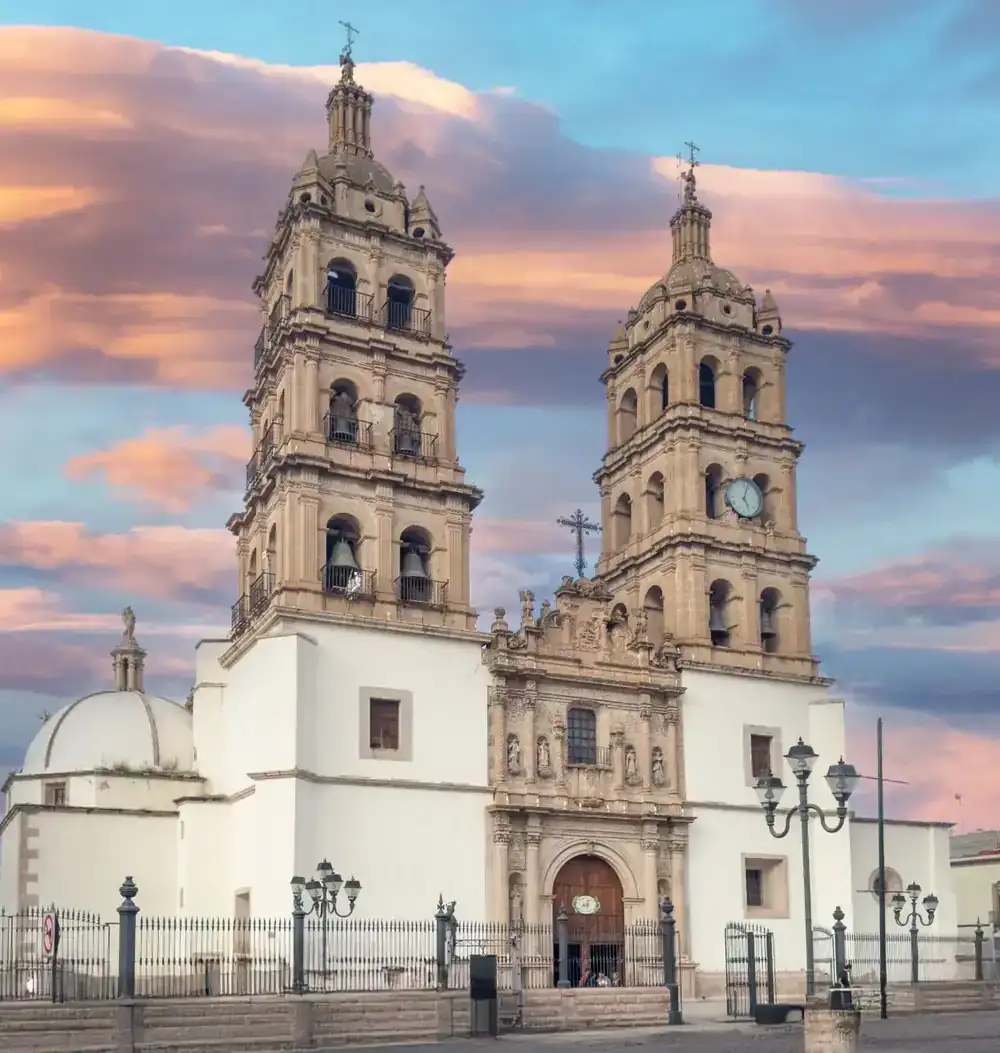
Around the Cathedral and Plaza de Armas you'll find several places serving regional food. One name that comes up often for caldillo is El Zocabón, a downtown classic; check its current hours before heading over. Our general rule: look for handwritten daily menus, tables full of local families and stews simmering in clay pots where you can see them.
A one-day Durango food plan
- Breakfast: gorditas with nopales con huevo or chile pasado at a downtown stand, plus café de olla.
- Late morning: browse Mercado Gómez Palacio for cheese, quince paste and pecan sweets.
- Lunch: caldillo or asado rojo at a fonda.
- Afternoon: walk it off with a ride on the cable car; see our guide to Durango cable car hours and prices.
- Evening: a mezcal tasting downtown.
Where to stay for a food-focused trip
For this kind of trip, stay in the historic center and walk everywhere. 24K manages 24 apartments in Durango, and these are the ones that work best for eating your way through town. Browse everything on our Durango page.
Negrete: couples and small groups who want outdoor space
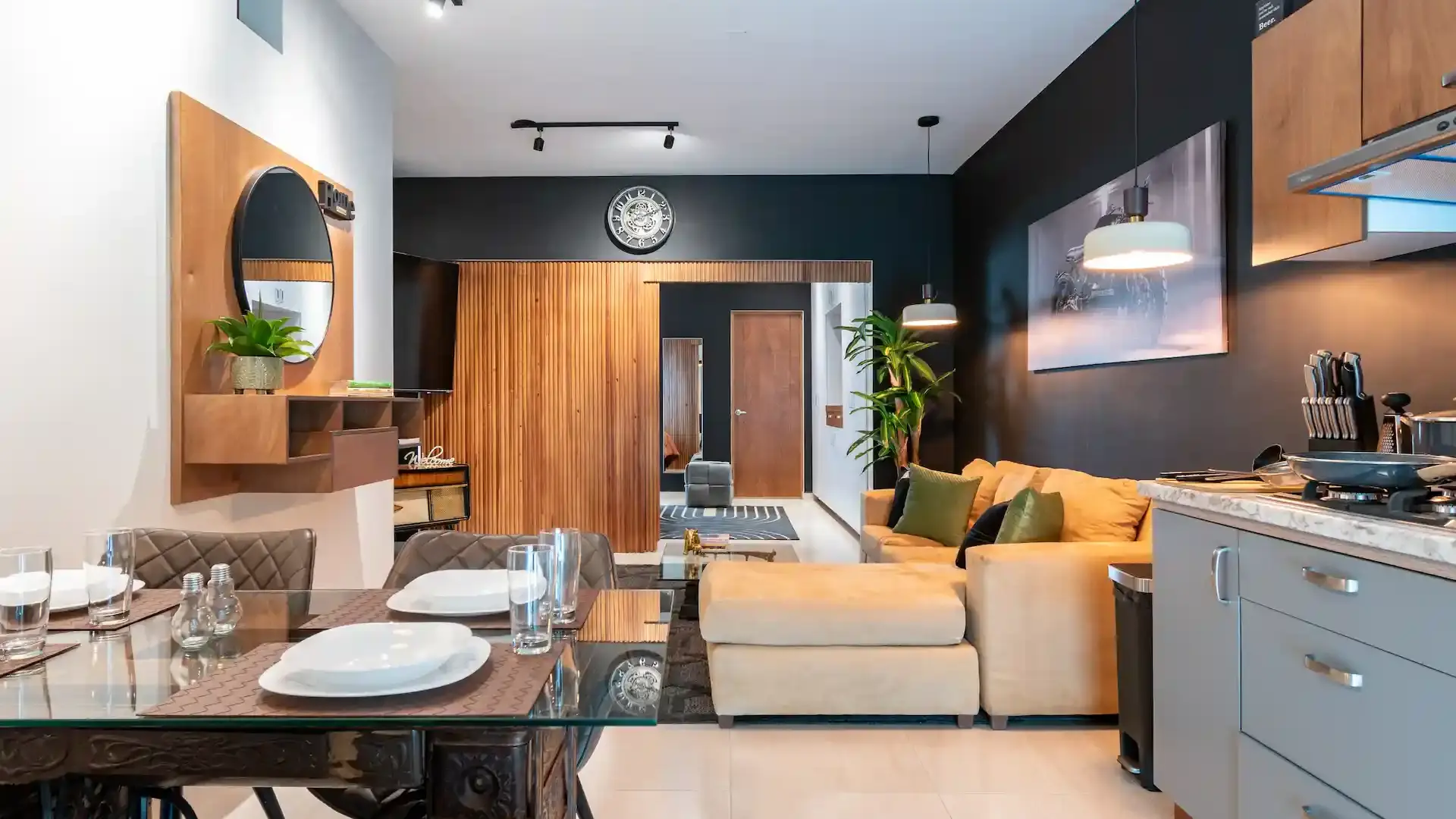
The Negrete building on Calle Negrete has 6 units for 2 to 4 guests. Apartments have a balcony, an outdoor grill, 50+ Mbps WiFi and a Smart TV, and some have a laptop-friendly workspace. Most units have paid parking. For four people, Two King Beds in the Historic Center has 2 bedrooms, 2 bathrooms and free parking. The grill is a great excuse to buy beef at the market and do your own carne asada one evening.
Best for: couples, friends or small families who want to be downtown and enjoy a night in.
Calvillo: couples who want A/C and parking
The Calvillo building on Calle Aquiles Serdán has 4 units for 2 guests each. All have mini-split air conditioning, a workspace and free parking. Historic Center | Garage | Mini split | WiFi adds private parking and 100+ Mbps WiFi.
Best for: couples arriving by car, business travelers staying a few days, and anyone who wants A/C in the warmer months.
Patoni: four guests with a roof garden
For four travelers who want room to spread out, the Loft Ultra in the Historic Center on Calle Patoni has 2 bedrooms, 2 bathrooms, air conditioning, a balcony, a grill and a roof garden. Parking is on the street.
Weighing downtown against other neighborhoods? Our guide on where to stay in Durango compares areas and parking.
Book direct
If caldillo is now on your list, book direct on our website or by WhatsApp and save 10% compared with Airbnb or Booking.com, with no platform fees. It's the same apartments, but you talk directly with our local team, and we're happy to point you to our favorite gordita stand when you arrive.
Frequently asked questions
What food is Durango, Mexico known for?
Durango is best known for caldillo duranguense, gorditas stuffed with guisados, asado rojo, Mennonite cheese and mezcal made from agave cenizo. Quince paste and pecan sweets are the classic souvenirs.
What is caldillo duranguense?
It's a thick stew of dried beef with potatoes, tomato and poblano and chile colorado peppers. Locals usually eat it at lunch with flour or corn tortillas.
Is Durango food spicy?
Usually not very. The dried chiles used in most dishes add color and depth rather than heat, but table salsas can be hot, so taste first.
Where can I try traditional food in downtown Durango?
Start at Mercado Gómez Palacio in the historic center for fondas, cheese and sweets, then look for regional restaurants around the Cathedral and Plaza de Armas. Check hours before you go, especially on Sundays.
What is Durango mezcal made from?
Mostly agave cenizo, a wild agave native to the region. Durango is part of Mexico's mezcal denomination of origin, and the Nombre de Dios area is best known for production.